Another Timbre TimHarrisonbre


Downloads at Bandcamp
Downloads of all Another Timbre CDs are available from Bandcamp here
Sale prices for older CDs
Now that we have released over 200 discs, we have reorganised our back catalogue, so that most CDs from at01 to at100 are on sale at half price. This applies to all our earlier releases except those which have been re-pressed.
We have divided our ‘catalogue’ pages into two halves:
The older discs (at01 to at100) are listed here
And newer CDs (at101 to at210) are here
Recent Releases
Sales to EU countries
Changes to customs regulations within the EU are being enforced with varying degrees of severity. Unfortunately this means that some CD orders from the UK to the EU are incurring extra charges. The majority of our packets are getting through ok without extra customs costs, but this isn’t guaranteed.
If you live in the European Union and are worried about possible customs charges, you can avoid them by ordering our CDs from our European distributor Soundohm, who stock our discs.
You can order almost all our CDs from Soundohm’s website here
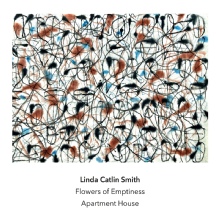
at230 Linda Catlin Smith
‘Flowers of Emptiness’
Extremely successful CD with 8 chamber works by a wonderful Canadian composer. The album received a 5-star review in The Guardian here, and was #3 in The Guardian’s Top Classical Releases of 2024.
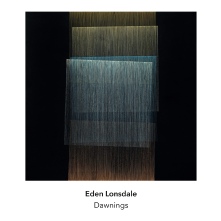
at228x2 Eden Lonsdale ‘Dawnings’
A great double album with five recent works by one of the most exciting young composers in Europe.

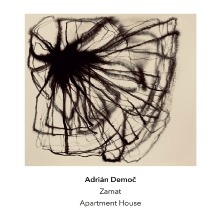
at229 Adrián Demoč ‘Zamat’
Three really beautiful chamber pieces by the Slovakian composer Adrián Demoč. Fantastically performed by Apartment House.
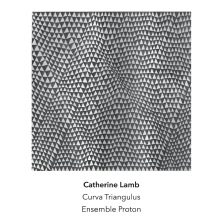
at227 Catherine Lamb
Curva Triangulus
A superb piece for octet by Catherine Lamb, performed by Ensemble Proton in Bern, using a range of unusual instruments to brilliant effect.
at226x2 Jürg Frey
‘Outermost Melodies’
Double album of works for percussion by Jürg Frey. Seven pieces - six solos, and one for percussion quartet - played by Ian Antonio and Talujon.
Essential music, exquisitely played.
at225x2 Magnus Granberg
‘Holde Träume, kehret wieder!’
A double CD with 2 realisations of Magnus’s 2021 composition, one for quartet played by Nattens inbrott, the other for septet played by Skogen.
at224 Paul Paccione
‘Distant Musics’
Five pieces, all written around 40 years ago, but sounding utterly modern. “Been haunting me for weeks...one of the most extraordinary things I’ve heard in a long while.” (Peter Margasak)
at223 Marco Baldini ‘Maniera’
Seven chamber pieces for strings “captivatingly performed by Apartment House....creating an alluring aura of ceremoniousness and concentration.”
(Marat Ingeldeev)
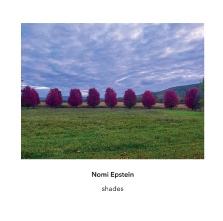
at222 Nomi Epstein ‘shades’
Three works by the Boston-based composer, two performed by Apartment House, and one by Berlin-based musicians. “Wonderful work...
Conjuring up a sense of the world that feels quite real” (Brian Olewnick)
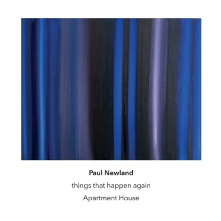
at219 Paul Newland
‘things that happen again’
Chamber works from a composer who is “one of the best-kept secrets in contemporary music in the UK... music quietly bristling with tension and taut energy. Wonderful...”
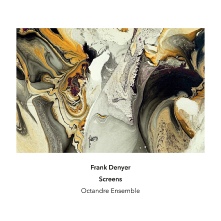
at220 Frank Denyer ‘Screens’
Five typically beguiling works from Frank Denyer, dating from 1973 to 2021. Using a bewildering array of conventional and unusual instruments, all beautifully played by Octandre Ensemble.
“Denyer’s music is full of questions, but never pretends to easy answers....”
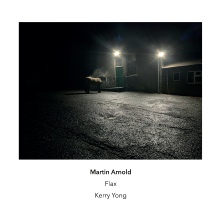
at221 Martin Arnold ‘Flax’
A CD-length work for piano by Canadian Martin Arnold,played by Kerry Yong.
“Utterly addictive....wonderful and unique music.” (Philip Cark)
at217 Jürg Frey ‘String Trio’
Apartment House with the first recording of Jürg Frey’s astonishingly beautiful String Trio.

at218 Translucent Harmonies
Violin / viola duo andPlay with two very different approaches to Just Intonation:
Catherine Lamb - ‘Prisma Interius VIII’ & Kristofer Svensson - ‘Vid stenmuren blir tanken blomma’
Performed by Explore Ensemble, Exaudi Vocal Ensemble & Lotte Betts-Dean
‘
at215 Catherine Lamb
‘parallaxis forma’
Three works by the Berlin-based US composer, played by Explore Ensemble:
‘parallaxis forma’ for voice and ensemble
‘pulse/shade’ for multi-tracked voice
& ‘color residua’ for voices and ensemble
Youtube extract (parallaxis forma)
at212x2 Morton Feldman
‘Violin and String Quartet’
Sublime two-hour chamber work, beautifully played by Apartment House. Double CD with artworks by Anton Lukoszevieze.
Morton Feldman Piano box set
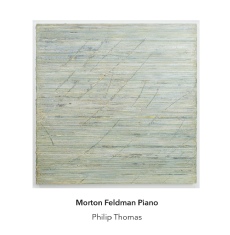
at144x5 Morton Feldman Piano
Our best-selling release remains the 5-CD box set of Morton Feldman’s music for solo piano, wonderfully played by Philip Thomas. Philip’s interpretations of Feldman’s exquisite music received an overwhelming critical response.
Youtube extracts: Triadic Memories Intermission 5 Extensions 3 Music for the Lipton film
£35 + £3 postage worldwide
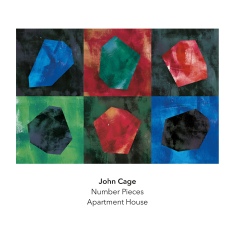
at178x4 John Cage ‘Number Pieces’
In its second pressing, the 4-CD box set of Apartment House playing Cage’s number pieces was top of The Wire’s year list for modern composition, and also #4 in The Guardian’s best classical releases for 2021.
“Apartment House’s performances are wonderfully committed. Every note is there, you sense, for a reason, revealing the strange beauty in these works. The whole set is a revelation”. (The Guardian)
John Cage Number Pieces Box Set
£33 + £3 postage worldwide
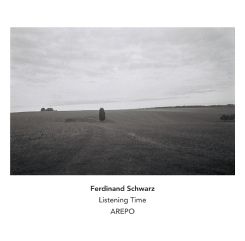
at238 Ferdinand Schwarz
‘Listening Time’
Released a touch early, this compelling work for AREPO ensemble has already featured in Bandcamp’s Best Contemporary Classical Releases in March:
“Basking in deliciously thick, churning harmonies that float, coalesce and pull apart...producing explosions of colour and texture.” (Peter Margasak)
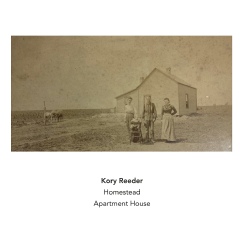
at236 Kory Reeder ‘Homestead’
A gorgeous 55-minute string quartet which reflects on the landscape and troubled history of Kory’s native state Nebraska. Wonderfully played by Apartment House.
“The harmonic material doesn’t move very quickly, but there’s a ton of activity...Like a quilt or a fabric, you can hear these interlocking patterns...”
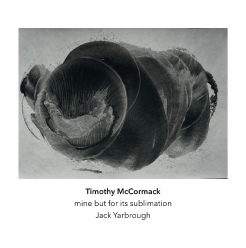
at239 Timothy McCormack ‘mine but for its sublimation’
Another extended solo work, this time for piano, beautifully played by Jack Yarbrough.
“I had intended this piece to be a small side-project, but as I worked on it, and as I started to grasp exactly what was happening to my music through thispiece, it slowly became the sole focus of an entire year of composition.”
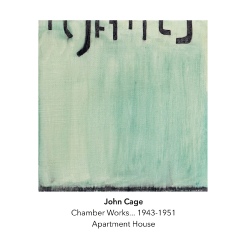
at240 John Cage
‘Chamber Works 1943-1951’
Seven early pieces by John Cage, including exquisite performances of ‘String Quartet in Four Parts’, ‘Six Melodies, ‘Dream’, ‘Amores’ and ‘Music for Marcel Duchamp’. Great playing from Apartment House once again.
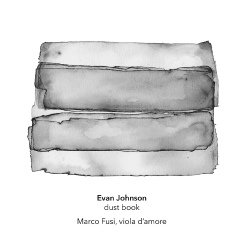
at237 Evan Johnson ‘dust book’
A mesmerising solo work in six movements for viola d’amore, composed with and for Marco Fusi, who writes:
“When vibrations move the air, dust flows away from the surfaces and then, slowly, comes to rest again. And the listener remains enchanted by the marginal, minimal particles of dust flickering through light.”
New CDs April 2025
Five new releases for the spring, including some old favourites and some composers new to Another Timbre. Listen to the Youtube extracts, and enjoy.
As usual there’s a special offer of all 5 new releases for the price of 4, plus a couple of previous works by featured composers available at sale prices (see below).
Special offer: Five for the price of 4
Buy all 5 April CDs for the price of 4: £43 including postage worldwide.
NB: If you’ve already bought the Ferdinand Schwarz CD - which was released a bit early - choose any CD from the back catalogue as your free disc - just email us at info(at)anothertimbre(dot)com
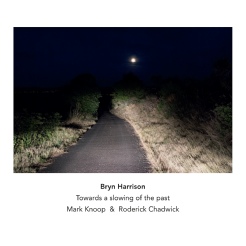
at235 Bryn Harrison
‘Towards a slowing of the past’
Extraordinary, virtuosic work for two pianos and electronics by Bryn Harrison, played by Mark Knoop and Roderick Chadwick.
A 45-minute tour de force.
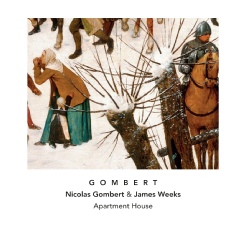
at234 ‘G O M B E R T’
Music by the Renaissance composer Nicolas Gombert, arranged for instruments by James Weeks, who also composed four interludes.
“One of the least-expected and most beautiful records we are likely to hear this year”
(Clive Bell - read his review here)
Youtube extract 1 ‘Mille Regretz’
Youtube extract 2 ‘Musae Jovis’
Youtube extract 3 ‘media vita iii’
Youtube extract 2 ‘media vita iii’
Youtube extract 3 ‘Musae Jovis’
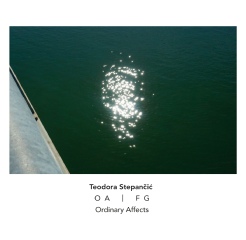
at233 Teodora Stepančić ‘A O | F G’
Two atmospheric and mysterious ensemble works by the Serbian composer/pianist now based in USA, played by Ordinary Affects with the composer.
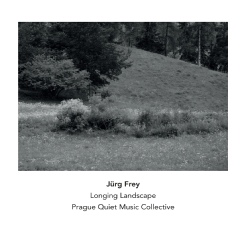
at232 Jürg Frey ‘Longing Landscape’
A wonderful album containing three exquisite new works by Jürg Frey, played by the Prague Quiet Music Collective, together with asamisimasa on one track.
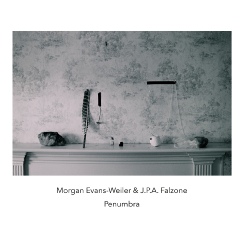
at231 Morgan Evans-Weiler &
J.P.A. Falzone - ‘Penumbra’
Four beautifully understated pieces collaboratively composed by Morgan Evans-Weiler (violin & electronics) and James Falzone (piano & celesta), whose previous release ‘Chordioid’ is one of the hidden treasures in the Another Timbre catalogue.
Special Offer 2: CDs by Cage & Evan Johnson at sale price
Recent Releases
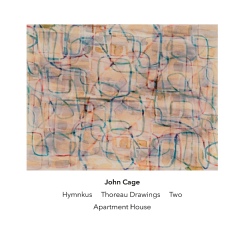
at198 John Cage
‘Hymnkus Thoreau Drawings Two’
Three late-ish but extraordinarily different works - all played by Apartment House. Including Cage’s first number piece, and probably his first use of field recordings in the remarkable ‘Thoreau Drawings’.
“The music is like a meta-forest of animal sounds, perhaps sounding not just ‘like’ nature, but more of nature.”
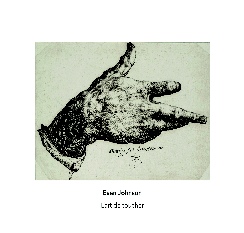
at199 Evan Johnson ‘L’art de toucher’
Five typically quiet and minimal yet somehow simultaneously dense and rich chamber works.
“Fragments scattered into swathes of silence- like those galleries with tiny, intricately detailed art hung on large expanses of white wall.” (Roger Heaton, Tempo)